

JAKARTA - has a way of letting its worst kept secrets corrode confidence long before any official announcement is made. Right now, one name swap is echoing through trading floors, embassy corridors, and WhatsApp groups of anxious fund managers from Singapore to London Purbaya out, Chatib in and the rupiah has taken notice.
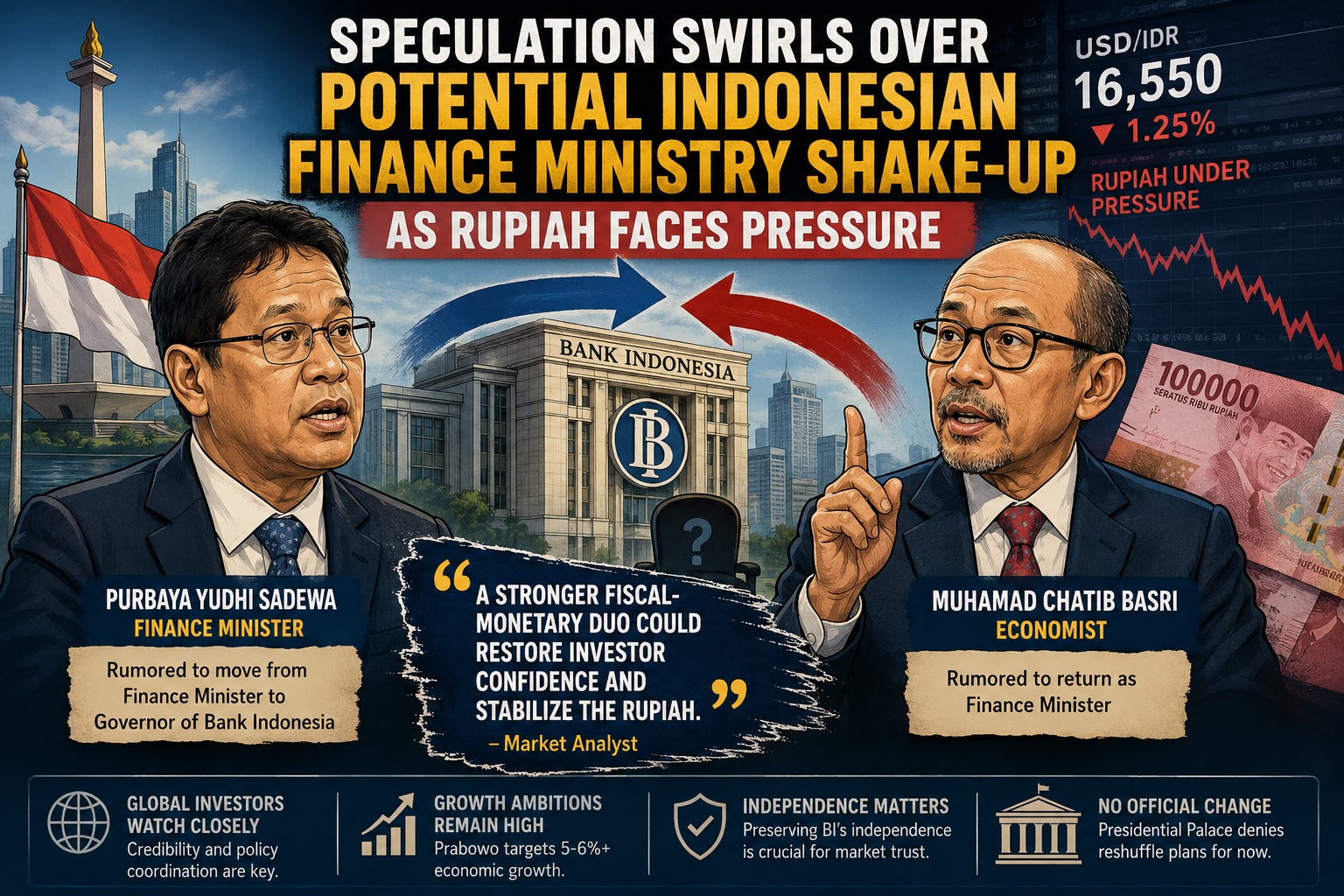
For weeks, an insistent whisper has grown into a roar President Prabowo Subianto is seriously considering a high stakes reshuffle that would move Finance Minister Purbaya Yudhi Sadewa to the helm of Bank Indonesia, and install veteran economist Muhamad Chatib Basri as the new Finance Minister. As of Monday, neither the Presidential Palace nor the individuals at the centre of the storm have confirmed a thing but the denial machine itself has become part of the story.
The rumours are not just baseless they are potentially market-manipulating and damaging to the credibility of our institutions. - Prasetyo Hadi, State Secretary of Indonesia, June 2026
That language sharp, defensive, almost lawyerly has done little to calm nerves. In fact, the very ferocity of the denial has convinced many seasoned Indonesia watchers that something is indeed cooking inside the Presidential Palace in Merdeka Square.
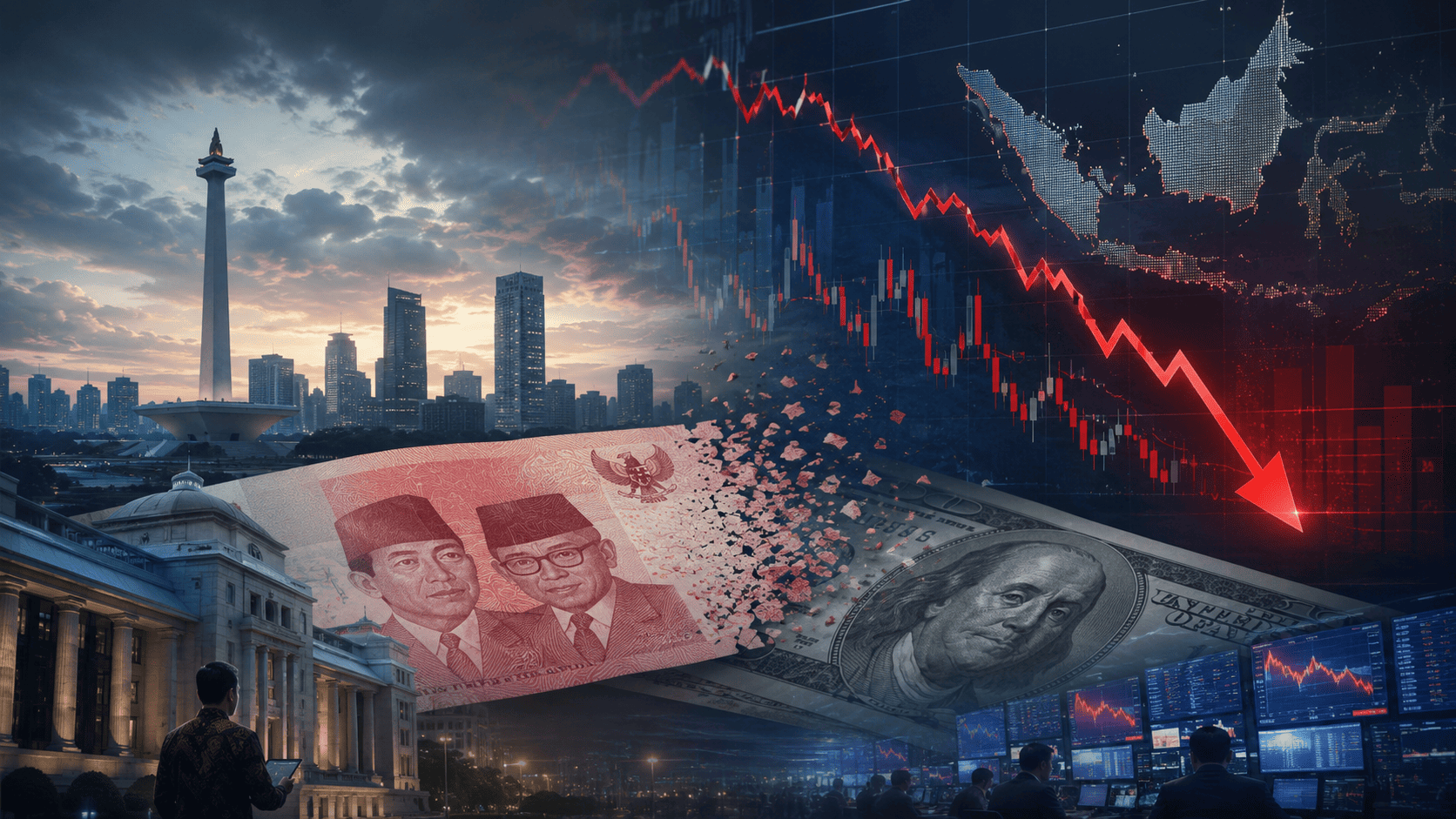
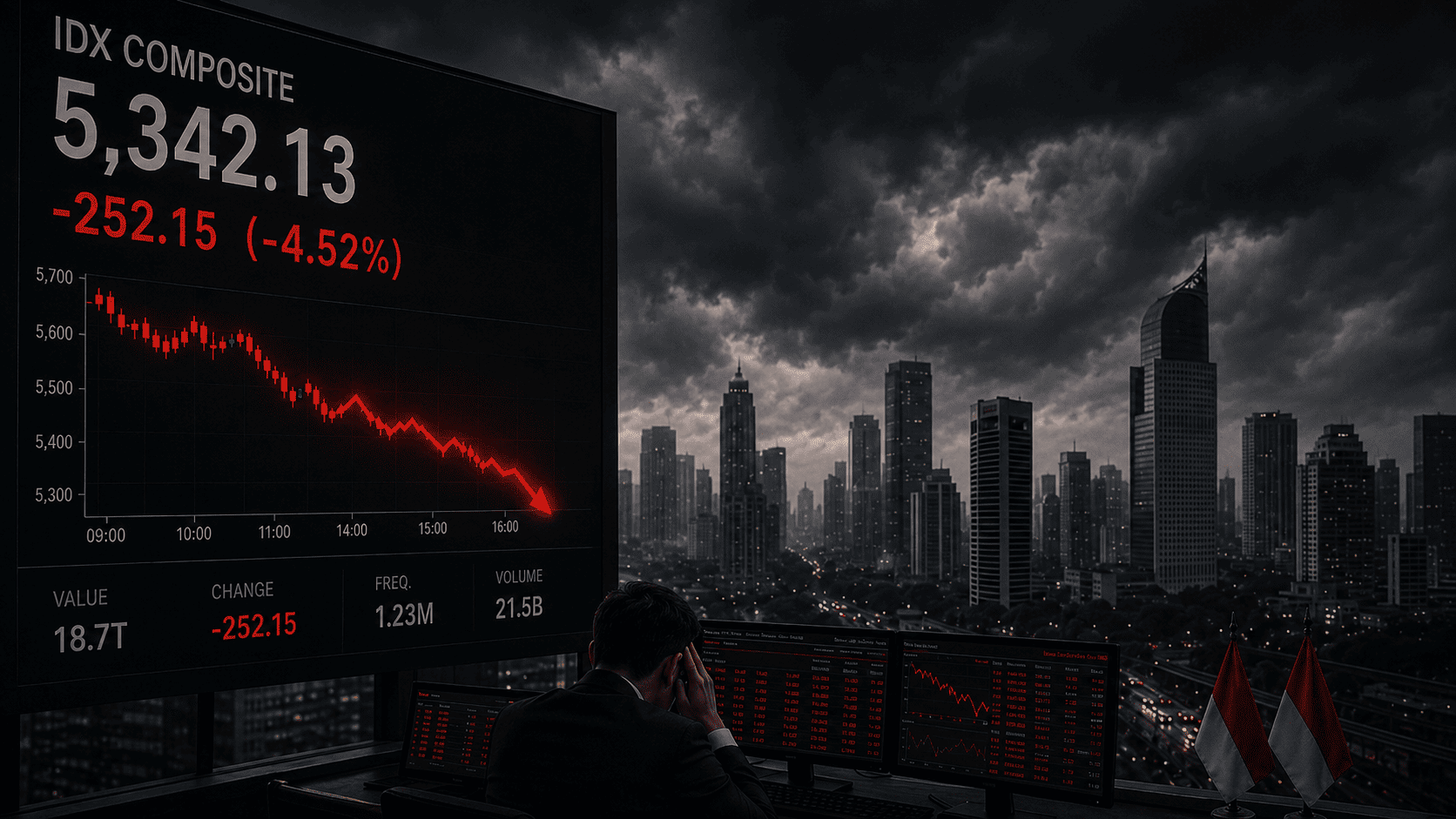
The timing is no accident. The Indonesian rupiah has been hemorrhaging value against the US dollar for weeks, battered by a cocktail of global risk aversion, stubborn domestic inflation, and investor jitters over the pace of Prabowo's ambitious spending agenda. The currency's slide has put the central bank on alert and ignited fierce debate about whether Indonesia's monetary and fiscal frameworks are sufficiently coordinated to weather the storm.
Indonesia has the fundamentals the demographics, the commodities, the domestic demand. What it needs right now is the credibility. And markets are asking whether the current setup delivers that. - Senior regional economist, speaking on condition of anonymity
Enter the Chatib Basri narrative. For international investors, his name is shorthand for something Indonesia is perceived to be lacking right now: orthodox, market-respecting fiscal management. Chatib navigated Indonesia through the harrowing 2013 Taper Tantrum when emerging markets were torched globally by the mere hint of US Federal Reserve tightening and came out with his reputation enhanced. His return, the theory goes, would be a powerful signal that Prabowo is serious about macro stability, not just mega-projects.
What Happens If the Rumours Are True?
The potential implications split sharply along optimist and pessimist lines and seasoned emerging market investors will recognise both scenarios immediately.
Scenario Analysis: If the Reshuffle Happens
- Bullish case: Chatib's credibility instantly rerates Indonesian sovereign bonds. The rupiah stabilises. Foreign direct investment pipelines, currently on hold pending policy clarity, begin to flow. Growth targets above 5-6% become credible rather than aspirational.
- Bear trap: Placing a politician adjacent figure at Bank Indonesia raises red flags over central bank independence the sacred cow of emerging market finance. Capital flight risk rises. Risk premiums widen. The cure becomes the disease.
- Wild card: Markets may have already partially priced in Chatib's return. Any announcement could trigger a "sell the news" reaction, regardless of the actual policy direction.
- Systemic risk: A botched transition even a rumoured one during a period of rupiah weakness could accelerate outflows and force Bank Indonesia into costly intervention, depleting reserves at a vulnerable moment.
At the heart of this saga is a question that has dogged Prabowo Subianto's presidency since day one can he marry his nationalist, high spending instincts with the institutional credibility that foreign capital demands? Indonesia is not a small market. It is the fourth most populous nation on earth, the largest economy in Southeast Asia, and a critical node in global supply chains being rewired away from China. The stakes of getting the economic stewardship wrong are enormous not just for Indonesia, but for the entire region.
Prabowo knows the game. He knows that markets vote every single day and right now, the rupiah is telling him something he cannot ignore. - Regional political risk consultant, Singapore
The Presidential Palace's official line remains unchanged: no reshuffle is imminent, no decisions have been made. But in a political culture where major decisions are rarely telegraphed in advance, the silence itself is a signal and markets are reading it very carefully.
What to Watch Next
In the coming days, all eyes will be on three pressure points: the rupiah's trajectory against the dollar, any official statements from Bank Indonesia on monetary policy, and most critically whether the Presidential Palace's silence on the reshuffle question begins to crack. A single unguarded comment from within Prabowo's inner circle could move markets instantly.
For international investors with exposure to Indonesian assets, this is not a moment for complacency. The fundamentals remain compelling but in Jakarta right now, politics and economics are colliding at speed, and the road ahead is anything but certain.